

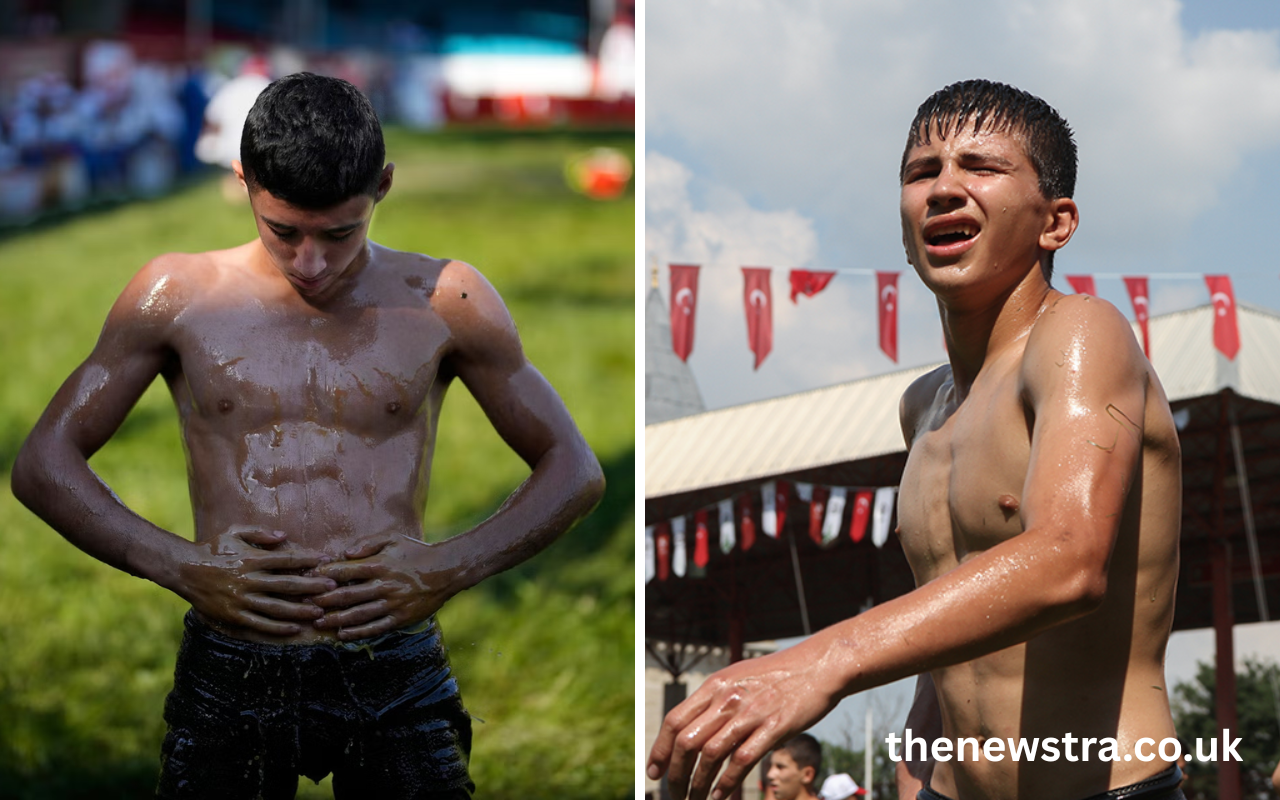
Origins and Ancient Roots of Turkish Oil Wrestling
Turkish oil wrestling, known as Yağlı Güreş, has one of the oldest known histories among traditional sports in the world. Its roots trace back more than four thousand years to ancient Anatolia and surrounding civilizations where wrestling was practiced as a test of strength, survival, and warrior training. Early Turkic tribes also adopted wrestling as part of their military and cultural identity, making it a central element of physical preparation and social prestige.
During the Seljuk and Ottoman periods, oil wrestling became more organized and ceremonial. It was no longer just a battlefield skill but a respected public sport performed during festivals, royal celebrations, and community gatherings. Wrestlers, later called pehlivans, were admired figures who symbolized courage, honor, and physical excellence. The use of olive oil was introduced to increase difficulty and to create a unique style of grappling that emphasized skill over raw strength.
Over centuries, Yağlı Güreş transformed into a cultural heritage sport deeply embedded in Turkish identity. Unlike modern combat sports, it preserved its traditional values and rituals. Today, it is still practiced in its original form, making it one of the rare surviving ancient sports that continues to connect modern athletes with their historical roots.
Cultural Importance in Turkish Society
Turkish oil wrestling is not just a sport but a powerful cultural symbol in Turkey. It represents values such as respect, bravery, discipline, and honor, which are deeply rooted in Turkish social traditions. The pehlivan is not only seen as an athlete but also as a cultural hero who carries the legacy of ancient warriors into the modern world.
In rural communities, oil wrestling festivals are major social events that bring people together. Families, villagers, and visitors gather to watch matches, celebrate traditions, and enjoy cultural performances. These events strengthen community bonds and preserve local identity, especially in regions where traditional lifestyles are still important.
Even in modern urban Turkey, Yağlı Güreş continues to maintain its cultural relevance. It is taught in sports clubs, supported by national organizations, and promoted as a symbol of heritage. Its cultural influence goes beyond sport, shaping music, storytelling, and national pride across generations.
Kırkpınar Festival and Its Legacy
The Kırkpınar Oil Wrestling Festival is the most famous and historic event in Turkish oil wrestling. Held annually in Edirne, it is recognized as one of the oldest continuously running sports competitions in the world. The festival dates back to the 14th century and continues to attract thousands of spectators every year.
Kırkpınar is not only a wrestling tournament but also a cultural celebration that lasts several days. Wrestlers from all over Turkey compete in different categories, with the ultimate goal of becoming the Başpehlivan, or chief wrestler. The event includes traditional music, ceremonies, and public celebrations that highlight the richness of Turkish heritage.
The legacy of Kırkpınar extends beyond national borders. It has been recognized by UNESCO as an Intangible Cultural Heritage of Humanity, emphasizing its global cultural value. The festival serves as a living connection between the past and present, preserving centuries-old traditions in a modern sporting environment.
Rules and Structure of Yağlı Güreş
The rules of Turkish oil wrestling are unique and differ significantly from Olympic wrestling. Wrestlers compete while their bodies are covered in olive oil, making grip and control extremely challenging. The objective is to dominate the opponent using technique, strength, and endurance rather than speed or simple force.
Each wrestler wears a special leather outfit called kispet, and matches take place on grass fields known as er meydanı. A competitor wins by lifting the opponent, controlling their movements, or forcing them into a disadvantageous position. Because of the oil, matches often require advanced strategy and patience rather than direct confrontation.
Modern competitions have introduced time limits for safety and organization, but traditional matches can still last for hours. The structure of Yağlı Güreş ensures that skill and experience are more important than size or power, making it one of the most technically demanding traditional sports in the world.
Role of Olive Oil and Kispet
Olive oil is one of the most defining elements of Turkish oil wrestling. Before each match, wrestlers cover their entire body in oil, which reduces friction and makes gripping extremely difficult. This tradition changes the entire dynamic of wrestling and requires athletes to rely on advanced technique and balance.
The kispet, a tight leather trouser made from buffalo or calf hide, is the only clothing worn during matches. It is carefully designed to provide minimal grip points while still allowing flexibility and movement. The kispet is also symbolic, representing tradition, discipline, and the identity of a pehlivan.
Together, olive oil and kispet create a unique combat environment that distinguishes Yağlı Güreş from all other wrestling styles. This combination forces wrestlers to develop specialized skills that cannot be found in modern wrestling disciplines, making the sport truly one of a kind.
Techniques and Wrestling Style
The techniques used in Turkish oil wrestling are highly specialized due to the slippery nature of the sport. Wrestlers rely on controlling the kispet, using leverage, and maintaining balance rather than simple strength-based grappling. Every movement requires precision and timing.
Pehlivans often develop their own signature techniques over years of training. These include lifts, sweeps, and strategic body positioning designed to destabilize opponents. Because direct grips are difficult, wrestlers must anticipate movements and react quickly to maintain control.
The overall wrestling style is slow, strategic, and highly technical. Matches are often described as a mental and physical battle where endurance and patience are just as important as strength. This makes Yağlı Güreş a deeply tactical sport that rewards experience and intelligence.
Training and Lifestyle of Pehlivans
Becoming a pehlivan requires years of disciplined training. Young wrestlers start their journey in traditional clubs where they learn basic techniques, physical conditioning, and cultural values. Training includes strength exercises, endurance drills, and practice matches on grass fields.
The lifestyle of a pehlivan is strict and focused. Wrestlers are expected to maintain physical fitness, follow respectful behavior, and uphold the moral values of the sport. Discipline is considered just as important as athletic ability in shaping a successful wrestler.
Many pehlivans live simple lives dedicated to training and competition. They are respected in their communities not only for their strength but also for their humility and character. This lifestyle helps preserve the traditional spirit of Turkish oil wrestling across generations.
Spiritual and Ethical Values
Turkish oil wrestling is deeply connected to spiritual and ethical principles. Pehlivans are taught to respect their opponents, avoid arrogance, and accept victory or defeat with dignity. These values reflect the historical influence of Sufi philosophy and warrior ethics in Turkish culture.
Before matches, wrestlers often perform traditional rituals and prayers, symbolizing respect for tradition and humility before competition. These practices emphasize that oil wrestling is not only physical but also a moral and spiritual discipline.
The ethical foundation of Yağlı Güreş sets it apart from many modern sports. It promotes fairness, honor, and respect, making it a cultural practice that shapes both character and athletic performance in a balanced way.
READ MORE: Melyssa Davies Biography, Love Story, Career Journey, and Complete Life Overview
Global Recognition and Modern Future
In recent years, Turkish oil wrestling has gained international attention as a unique traditional sport. Cultural documentaries, tourism promotions, and global festivals have introduced Yağlı Güreş to wider audiences outside Turkey. Its uniqueness makes it an important part of world cultural heritage.
Despite modernization, efforts are being made to preserve its authenticity. Organizations in Turkey continue to support traditional training methods while also adapting competition rules for safety and global standards. This balance helps keep the sport relevant in the modern era.
The future of Turkish oil wrestling looks promising as it continues to attract both cultural researchers and sports enthusiasts. As global interest grows, Yağlı Güreş stands as a powerful symbol of tradition, identity, and endurance, ensuring its survival for generations to come.