

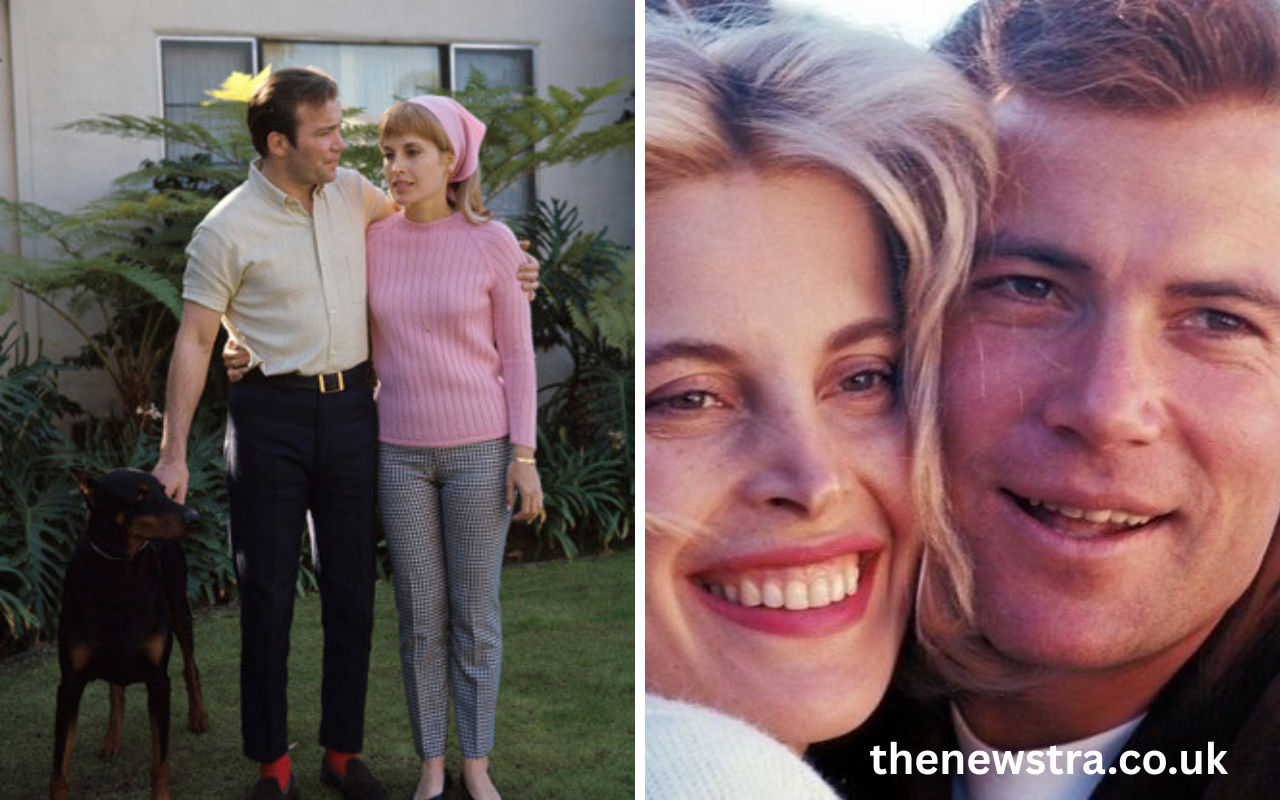
Early Life and Background of Gloria Rand
Gloria Rand was born in Toronto, Ontario, Canada, during the early 1930s, a time when the world was still far from the modern entertainment industry we know today. Her birth name is often recorded as Gloria Rosenberg, and she grew up in a period shaped by traditional values and limited media exposure. Her early years were spent in a culturally developing Canada where television had not yet become a dominant household medium.
Not much is publicly documented about her childhood education or family environment, which is common for actors from her generation. However, it is believed that she developed an early interest in performance and storytelling, which later influenced her decision to enter acting. The entertainment world in North America was expanding, and opportunities were slowly opening for young performers.
Her Canadian roots played an important role in her identity, especially during a time when cross-border movement between Canada and the United States was becoming more common for aspiring actors. This background eventually helped her transition into American television work, where her early career began to take shape.
Entry into Acting and Early Career Development
Gloria Rand began her professional acting journey in the early 1950s, a defining era for live television. At that time, television productions were mostly performed live, requiring strong stage presence and quick adaptability. She entered the industry during this experimental phase, where actors had to perform with precision and confidence under real-time broadcasting conditions.
Her early career included appearances in anthology-style programs that were popular during that decade. These shows featured different stories and casts in each episode, giving many new actors an opportunity to gain exposure. This format allowed Rand to build experience and develop her acting skills through diverse roles.
Although she was not a leading Hollywood star, her participation in these productions placed her among the working actors of early television history. These roles helped her establish a foundation in the entertainment industry and contributed to her recognition within professional acting circles of that time.
Television Work and Acting Contributions
During the 1950s, Gloria Rand appeared in several television productions that are now considered part of early American TV history. These included dramatic anthology programs that focused on short, self-contained stories. Such shows were widely watched and played a major role in shaping television storytelling techniques.
Her performances were typically in supporting roles, yet they were important in building narrative depth within each episode. The live nature of television during that period meant that actors had to deliver consistent and expressive performances without the safety of retakes. This environment tested both skill and discipline.
While she did not continue into long-term stardom, her contributions remain part of the foundation of early television acting. Many performers from this era helped shape the transition from stage-based drama to structured television storytelling, and Gloria Rand was part of that important evolution.
Marriage to William Shatner and Personal Life
One of the most publicly recognized aspects of Gloria Rand’s life is her marriage to William Shatner, who later became an international television icon. They were married in the mid-1950s, at a time when both were still developing their careers in acting. Their relationship began before Shatner achieved global fame through his later work.
The marriage lasted more than a decade before ending in divorce in the late 1960s. During this period, the couple experienced both early career struggles and the challenges of balancing family life with professional growth. Their relationship is often mentioned in biographies of William Shatner due to its connection to his early life.
Despite their separation, their time together remains a significant chapter in both of their personal histories. Gloria Rand is often remembered in public records through this relationship, though she had her own independent career in television prior to their marriage.
Family Life and Children
Gloria Rand and William Shatner had three daughters together, and her role as a mother became a central part of her life. Raising children during a period of growing public attention on Shatner’s career brought both opportunities and challenges for the family. She played a key role in maintaining stability during the early years of their lives.
Their daughters grew up in an environment influenced by the entertainment industry but later chose more private paths. While occasionally associated with their father’s fame, they largely maintained lives outside of constant media attention. This reflects the family’s preference for privacy in later years.
Rand’s contribution to her children’s upbringing is often acknowledged in discussions about Shatner’s early family life. Her role helped shape their foundation during a period when their father’s career was beginning to gain momentum.
Career After Acting and Private Life
After her early television appearances and her marriage years, Gloria Rand gradually stepped away from the entertainment industry. Unlike many actors who continue in media-related careers, she chose a quieter path focused on personal life and family responsibilities.
Her withdrawal from acting was not uncommon among early television performers, many of whom worked briefly during the industry’s formative years before moving on to other aspects of life. There is little public record of her professional activities after the 1960s, indicating a strong preference for privacy.
This shift allowed her to live away from the public spotlight, which contrasted sharply with the rising fame of her former husband. Her later years were largely spent outside the entertainment world, maintaining a low public profile.
Public Image and Media Recognition
Gloria Rand is not widely known as a mainstream celebrity, but she is frequently referenced in entertainment biographies and historical records. Her name appears in discussions of early television history and in documentation related to William Shatner’s personal life and career development.
In media coverage, she is often described in relation to her marriage rather than her acting career. However, her work in 1950s television remains a part of archived entertainment history. These appearances help preserve her contribution to early broadcast storytelling.
Over time, her public image has remained more historical than celebrity-based. She is recognized as part of a generation of actors who contributed quietly to the foundation of television as a modern entertainment medium.
Later Years and Death
In her later years, Gloria Rand lived a private life away from public attention. As the entertainment industry evolved and her former husband became a global star, she remained outside the media spotlight, focusing on personal life rather than public appearances.
She passed away in 2017, marking the end of a life that had intersected with the early development of television history. Her passing was noted in entertainment records, particularly those documenting the life of William Shatner and his family history.
Her later years reflect a quiet conclusion to a life that began in the early days of television and moved into private family life. Despite limited public exposure, her story remains part of entertainment history archives.
READ MORE: Judi Bowker Biography: Life, Career, Films, and Legacy of the English Actress
Legacy and Historical Importance
Gloria Rand’s legacy is closely connected to the early era of television acting. She represents a generation of performers who helped shape live television during the 1950s, a time when the medium was still developing its identity and style.
Her personal connection to William Shatner also places her within broader Hollywood history. While Shatner became a global icon, Rand’s role in his early life and family history remains an important part of his biography and public narrative.
Today, she is remembered as both an early television actress and a figure connected to one of science fiction television’s most recognized actors. Her life story reflects both professional contribution and private dedication, making her part of entertainment history’s foundational era.