

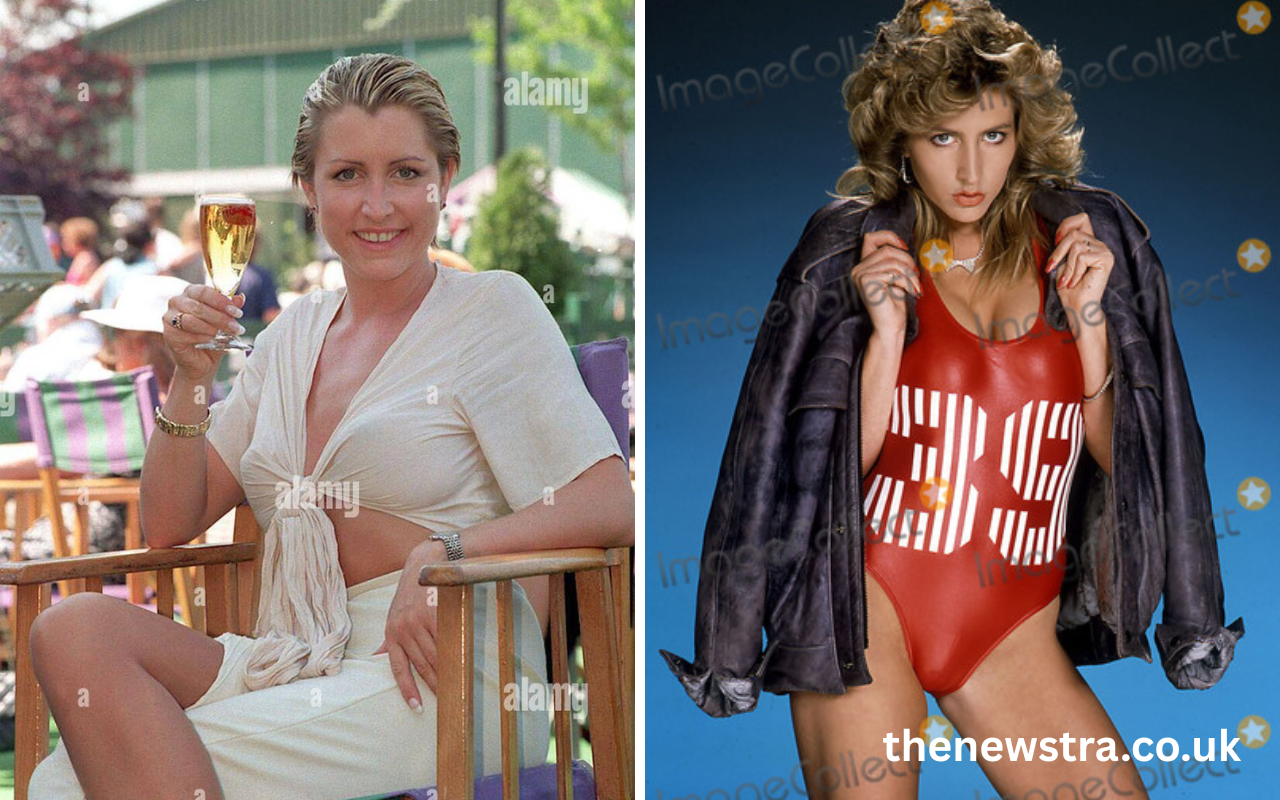
Heather Mills is a British former model, activist, and public figure who gained early attention through her modelling work before becoming widely known for her later humanitarian campaigns and high-profile marriage to Paul McCartney. The topic “Heather Mills modelling” remains popular because her journey into fashion was unusual, controversial at times, and marked by both opportunity and struggle. Her modelling career played a key role in her early public identity and helped shape her later ventures in business and activism.
Before becoming a global media figure, Heather Mills entered the modelling world in the late 1980s and early 1990s, working in different fashion assignments, promotional shoots, and agency-related projects.
Quick Bio Table
| Category | Details |
|---|---|
| Full Name | Heather Anne Mills |
| Known For | Modelling, activism, public figure |
| Date of Birth | January 12, 1968 |
| Age | 58 years (2026) |
| Birthplace | Aldershot, England |
| Nationality | British |
| Profession | Former model, activist, entrepreneur |
| Modelling Start | Late 1980s – early 1990s |
| Famous For | Charity work, media attention, public life |
Early Life Before Modelling Career
Heather Mills grew up in England under difficult family circumstances. Her early life was marked by instability, financial challenges, and frequent changes in living conditions. These experiences pushed her toward independence at a young age.
Before entering modelling, she worked different small jobs and struggled with stability. According to biographical records, she did not initially come from a fashion or entertainment background. Instead, her entry into modelling came unexpectedly after being noticed and given early opportunities in promotional and commercial work.
This transition marked the beginning of her public-facing career.
Entry Into Modelling Industry
Heather Mills began her modelling journey in the late 1980s. Her first exposure came when she participated in modelling-related competitions and small campaigns. One early opportunity involved being entered into a beauty competition, which helped her gain initial visibility in the fashion industry.
Her modelling career started to develop more seriously in the early 1990s when she began working with agencies and participating in fashion shoots and promotional campaigns.
During this period, she was exploring ways to establish herself professionally and financially independent, and modelling became one of her primary paths forward.
Early Modelling Work and Industry Challenges
Like many new models, Heather Mills faced challenges in building her career. The fashion industry is highly competitive, and breaking into it requires strong networking, physical presence, and agency support.
Her early modelling work included promotional shoots and commercial assignments. She also attempted to build connections in the fashion industry through small agencies and independent projects.
However, her modelling career was not always smooth. Reports and biographies suggest that she faced instability in agency representation and had to create her own opportunities in order to continue working in the field.
Establishing Her Own Modelling Agency
One of the most notable developments in her modelling journey was her decision to create her own agency, ExSell Model Management.
This step was important because it showed her shift from being just a model to becoming a business-oriented professional within the fashion industry. The agency aimed to represent models and provide opportunities outside traditional industry standards.
Her approach was also seen as somewhat unconventional because she emphasized inclusion and alternative modelling opportunities rather than strictly traditional fashion standards.
Return to Modelling After Personal Challenges
Heather Mills’ modelling career is also known for its interruptions and comebacks. After experiencing major personal challenges, including a serious accident in the early 1990s that resulted in a leg amputation, she continued to remain active in modelling work.
Despite her disability, she returned to modelling assignments and campaigns, which was notable in an industry that often lacks representation of disabled models.
Her continued presence in fashion-related work helped reshape discussions about inclusivity and representation in modelling.
Public Recognition Through Modelling and Media
Although she was not a supermodel in the traditional high-fashion sense, Heather Mills gained visibility through her modelling work combined with media exposure.
She participated in campaigns, promotional modelling, and charity-related fashion work. Some of her later modelling appearances were connected to humanitarian causes, particularly landmine awareness campaigns and disability advocacy.
Her modelling presence became more symbolic over time, representing resilience and reinvention rather than mainstream fashion dominance.
Transition From Modelling to Activism
Over time, Heather Mills shifted her focus from modelling to activism and humanitarian work. Her involvement in campaigns related to landmine victims and disability rights became more prominent than her fashion career.
However, her early modelling experience still played a role in shaping her public communication skills, media presence, and ability to work in international campaigns.
This transition marked the evolution of her identity from model to activist and public advocate.
Public Image and Controversies Around Modelling Career
Heather Mills’ modelling career has often been discussed alongside controversies and media narratives. Some accounts of her early life and modelling journey have been debated in public forums and media coverage.
Despite this, her modelling career remains a documented part of her biography and represents the starting point of her public life.
Her story reflects how individuals in the modelling industry can experience both opportunity and scrutiny, especially when they later become public figures.
Legacy of Her Modelling Career
While Heather Mills is more widely known today for activism and her personal life, her modelling career remains an important part of her overall journey.
Key aspects of her modelling legacy include:
- Early entry into the fashion industry through competitions
- Independent career development in the early 1990s
- Founding her own modelling agency
- Continuing modelling after physical disability
- Transition into socially conscious fashion and campaigns
Her career highlights how modelling can serve as a stepping stone into broader public roles beyond fashion itself.
READ MORE: Goldie Ann Taylor – Biography, Age, Life Story, and Personal Background
Conclusion
Heather Mills’ modelling career represents the early foundation of her public life. Starting in the late 1980s, she entered the fashion world through competitions, agency work, and promotional modelling. Over time, she expanded into business by founding her own modelling agency and later continued limited modelling work even after major life challenges. Her journey reflects resilience, adaptation, and transformation from fashion industry participant to public activist and entrepreneur.
Today, her modelling history remains an important chapter in her life story and continues to attract interest under the topic “Heather Mills modelling.”
This article is published for informational purposes on my blog site thenewstra