

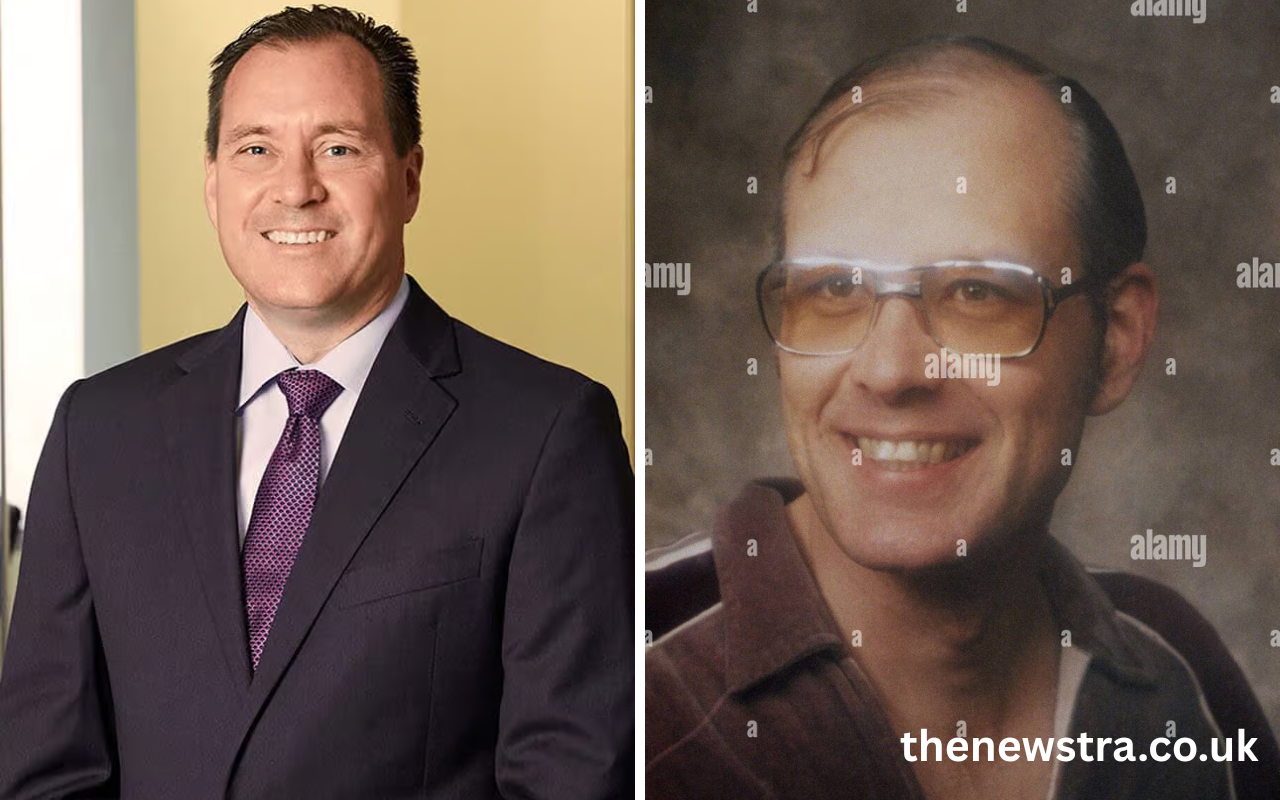
Early Life and Childhood of James Huberty
James Oliver Huberty was born on October 11, 1942, in Canton, Ohio, in a working-class and deeply religious family. From an early age, he faced both physical and emotional challenges, including contracting polio at the age of three, which left him with a noticeable limp throughout his life. This physical condition became one of the reasons he struggled with social acceptance during childhood.
As he grew up, Huberty was often described as quiet, socially withdrawn, and isolated from his peers. He reportedly had difficulty forming friendships and was frequently bullied in school. These early experiences contributed to feelings of rejection and resentment, which would later become important in psychological discussions about his behavior.
Family instability also shaped his childhood environment. His mother left the family when he was young, an event that deeply affected him emotionally. Combined with strict religious upbringing and social isolation, these factors created a complex psychological foundation that would later be widely examined in true crime studies of his life.
Education and Early Career Struggles
James Huberty pursued technical education and later studied mortuary science, eventually becoming a licensed embalmer and funeral director. Despite completing his training successfully, he did not remain long in the funeral industry. He moved through several jobs, including welding and industrial labor positions, searching for stability.
Although he was considered a capable worker, Huberty struggled with workplace relationships and emotional regulation. His career path was inconsistent, and he frequently changed jobs due to dissatisfaction or personal conflicts. This instability contributed to financial stress and growing frustration in his adult life.
During this period, Huberty appeared to be functioning outwardly as a normal working-class man, but internally he was reportedly dealing with increasing emotional distress. His inability to maintain long-term career satisfaction is often highlighted in discussions about the factors that contributed to his later psychological breakdown.
Marriage, Family Life, and Domestic Environment
James Huberty was married to Etna Huberty, and together they had two daughters. On the surface, the family appeared to be ordinary, but reports from later interviews and investigations revealed that the household experienced significant tension and emotional instability.
Etna Huberty later described her husband as unpredictable and at times violent. There were allegations of domestic abuse, including aggressive behavior toward both his wife and children. These incidents created a tense home environment that further strained his mental state and family relationships.
Despite these difficulties, the family continued to live together while attempting to maintain a normal life. However, increasing emotional pressure, financial instability, and unresolved psychological issues gradually pushed the household into deeper dysfunction, which later became a key point in analyzing Huberty’s behavioral decline.
Mental Health Problems and Warning Signs Before the Incident
In the period leading up to the tragedy, James Huberty showed clear signs of psychological distress. He reportedly experienced paranoia, depression, and emotional instability. Friends and family members noticed changes in his behavior, including increased irritability and social withdrawal.
One of the most widely discussed aspects of his case is that Huberty attempted to seek mental health support shortly before the incident. However, due to administrative issues and delays, he did not receive immediate care. This failure is often cited in discussions about mental health system limitations in the United States during the 1980s.
In hindsight, experts analyzing his case have suggested that he exhibited multiple warning signs of a mental health crisis. However, at the time, there was limited understanding and intervention available for individuals experiencing severe psychological breakdowns combined with violent ideation.
The San Ysidro McDonald’s Massacre (1984)
On July 18, 1984, James Huberty entered a McDonald’s restaurant in San Ysidro, San Diego, armed with multiple firearms, including a shotgun, a pistol, and a semi-automatic weapon. What followed became one of the deadliest mass shootings in United States history.
Once inside, he began firing indiscriminately at employees and customers. Panic spread quickly as people attempted to hide under tables or escape the building. The attack lasted for approximately 77 minutes, making it one of the longest active shooting incidents recorded at that time.
By the end of the assault, over twenty people had been killed and many others injured. Victims included men, women, and children, making the tragedy even more devastating. The event shocked the nation and became a turning point in discussions about mass violence in America.
Police Response and End of the Shooting
Law enforcement officers arrived at the scene shortly after the shooting began, but confusion initially delayed their response. Early reports suggested uncertainty about the situation, and officers struggled to understand the scale of the attack.
Eventually, a police sniper positioned nearby was able to identify Huberty inside the restaurant. A single well-placed shot ended the attack, killing him instantly and bringing the 77-minute massacre to a close. Despite the end of the shooting, the aftermath remained chaotic and emotionally devastating for survivors and responders.
This incident later influenced major changes in law enforcement training, particularly in active shooter response strategies. It highlighted the need for faster coordination and improved tactical decision-making in mass casualty events.
Victims and Human Impact of the Tragedy
The victims of the San Ysidro massacre represented a wide range of ages and backgrounds, including families and young children. The randomness of the attack added to the shock and emotional impact experienced by the community and the nation as a whole.
Survivors of the incident faced long-term psychological trauma, including post-traumatic stress disorder and emotional distress. Many families lost loved ones instantly, while others were left coping with life-changing injuries and grief.
The tragedy deeply affected the San Diego community, especially the predominantly Hispanic neighborhood where it occurred. It remains one of the most painful and remembered mass casualty events in California history.
Aftermath, Investigation, and Public Reaction
Following the massacre, investigations focused on understanding Huberty’s motives, mental health condition, and access to firearms. Authorities concluded that his actions were driven by a combination of psychological instability and personal frustration, although no single motive was definitively confirmed.
The McDonald’s restaurant where the shooting occurred was later demolished. The site was eventually transformed into a community college and memorial space, symbolizing both remembrance and renewal for the local community.
Public reaction across the United States was one of shock, grief, and intense debate about gun control laws and mental health care systems. The event became a key reference point in discussions about preventing future mass shootings.
READ MORE: Cardi B Boyfriend 2026: Inside Her Love Life, Dating Rumors, and Relationship Status Explained
Legacy and Historical Significance of James Huberty
James Huberty is remembered as the perpetrator of one of the most devastating mass shootings in American history. His name is permanently associated with the San Ysidro McDonald’s massacre, which continues to be studied in criminology and psychology.
His case is frequently referenced in discussions about warning signs of violence, mental health intervention failures, and the importance of crisis response systems. It has also influenced how law enforcement agencies prepare for active shooter scenarios.
Today, the legacy of James Huberty serves as a reminder of how untreated psychological distress, combined with social isolation and systemic gaps in mental health care, can lead to catastrophic consequences when warning signs are not addressed in time.