

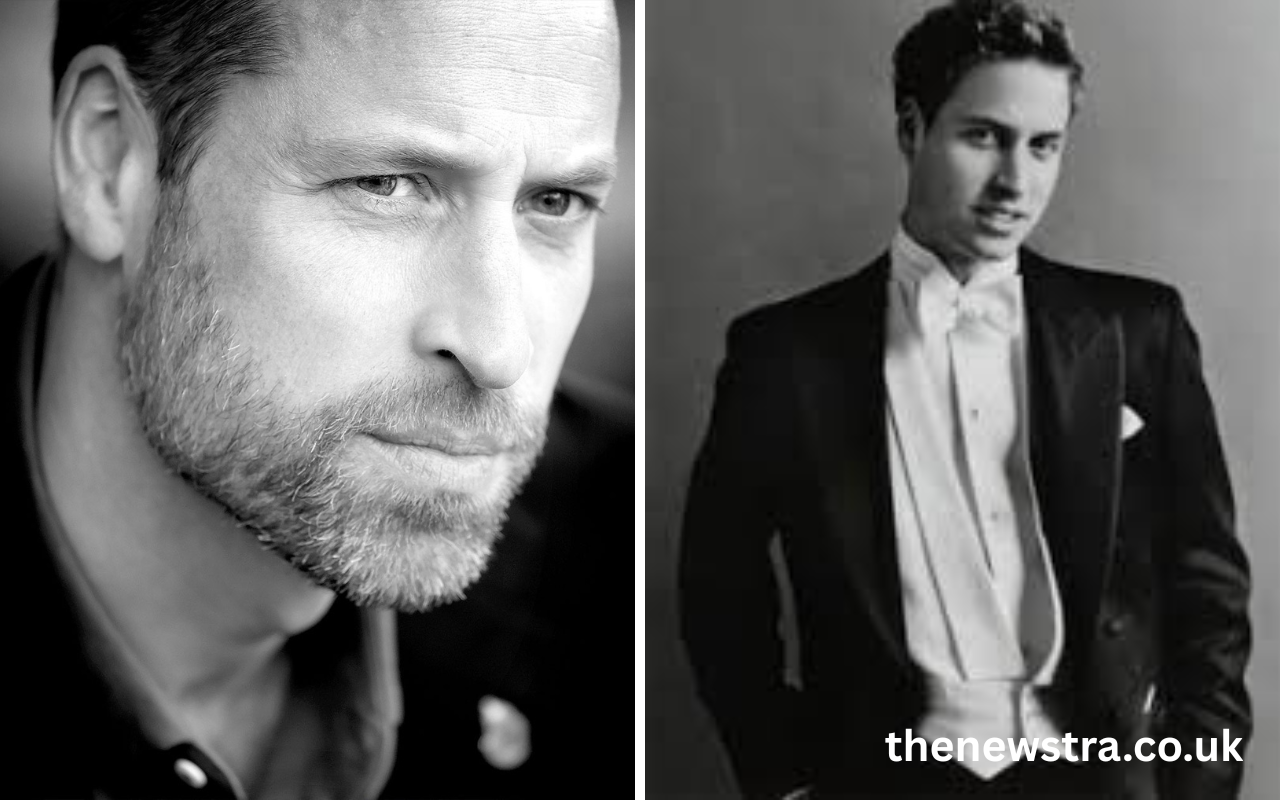
widely recognized as the future King of the United Kingdom, has been in the public eye since birth. Searches like “prince william young” and “young prince william” remain extremely popular because people are curious about his childhood, royal upbringing, education, and how he developed into the senior royal figure he is today. Interest in his early life also connects to broader curiosity about the British royal family and how future kings are prepared from a very young age.
His early years were shaped by both privilege and intense public attention. Being born into one of the most famous royal families in the world meant that every stage of his childhood was documented, discussed, and followed globally.
Quick Bio
| Full Name | William Arthur Philip Louis |
|---|---|
| Known As | Prince William |
| Title | Prince of Wales |
| Date of Birth | 21 June 1982 |
| Age | 43 years (approx. in 2026) |
| Birthplace | London, United Kingdom |
| Nationality | British |
| Parents | King Charles III and Princess Diana |
| Spouse | Catherine, Princess of Wales |
| Children | Prince George, Princess Charlotte, Prince Louis |
| Role | Future King of the United Kingdom |
Early Life of Young Prince William
The childhood of Prince William was unlike that of any ordinary child. From the moment he was born, he became the center of global media attention. As the first son of King Charles III and Princess Diana, his life was immediately connected to royal duty and public expectations.
Growing up in the royal household meant that his early life was carefully structured. However, unlike previous generations of royals, Princess Diana was determined to give William and his younger brother a more normal upbringing. This included school attendance, public outings, and exposure to everyday experiences outside royal palaces.
The phrase “young Prince William” often brings to mind images of a shy but confident boy standing beside his mother during public appearances, already showing signs of calmness and maturity beyond his age.
Childhood Influence of Princess Diana
One of the most important influences in young Prince William’s life was his mother, Princess Diana. She played a key role in shaping his personality, emotional awareness, and understanding of public life.
Unlike traditional royal parenting styles, Diana introduced her children to everyday environments such as amusement parks, hospitals, and charity events. This helped William understand the world beyond royal walls.
Her approach created a balance between royal responsibility and emotional grounding. Many royal experts believe this early influence shaped William into a more compassionate and approachable future monarch.
Education and School Life
Prince William attended several prestigious schools during his childhood. His education was carefully planned to prepare him for future royal duties while also allowing him to experience a relatively normal student life.
At school, he was known to be polite, reserved, and disciplined. Teachers and classmates often described him as respectful and intelligent, but also aware of his unique position in society.
Despite being a prince, efforts were made to ensure he was not treated differently in academic settings. This helped him develop social awareness and independence from an early age.
The experience of school life played a key role in shaping his personality as a young royal.
Public Attention During Childhood
One of the defining aspects of Prince William’s childhood was constant media attention. Unlike most children, every major event in his life was photographed and reported globally.
From his first day of school to family vacations, the world closely followed his journey. This level of attention created both opportunities and challenges.
While it helped build his public image early, it also meant that privacy was extremely limited. This is one of the reasons why discussions about “young Prince William” often include reflections on media pressure and royal life expectations.
Relationship With Princess Diana
Prince William shared a very close relationship with Princess Diana. She was known to be emotionally supportive and deeply involved in her children’s upbringing.
Her tragic passing had a profound impact on him at a young age. This event marked a turning point in his life, forcing him to mature quickly and take on emotional responsibilities far earlier than most children.
The strength he developed during this period is often referenced when discussing his leadership qualities as an adult.
Early Personality Traits
As a child, Prince William was described as calm, thoughtful, and reserved. Unlike more outspoken public figures, he often appeared composed even during stressful public events.
These personality traits have remained consistent into adulthood, contributing to his role as a stable and reliable member of the royal family.
Observers often note that his early upbringing helped him develop emotional intelligence and leadership qualities suitable for future kingship.
Transition into Teenage Years
As William grew older, he began to take on more public responsibilities. His teenage years included increased exposure to official royal duties, public events, and media interaction.
During this phase, he began shaping his identity as not just a royal child but as a future monarch. His education continued alongside increasing public expectations.
This transition period was crucial in preparing him for adult responsibilities within the monarchy.
Influence of Royal Duty on Youth
Being a young prince meant that William’s life was always connected to duty and service. Even during childhood, he was gradually introduced to the concept of leadership and responsibility.
This included attending public events, supporting charitable causes, and understanding the role of the monarchy in modern society.
Such early exposure helped him build confidence and awareness of his future position.
Modern Public Image Compared to Young William
Today, Prince William is seen as a mature and respected royal figure. However, public fascination with his younger years continues.
The contrast between “young Prince William” and his current role highlights his journey from a protected royal child to a future king preparing for leadership.
This transformation is one of the key reasons why public interest in his early life remains strong.
Misplaced Keywords and Online Searches
Interestingly, variations like “brandon jack young prince william” sometimes appear in search trends due to keyword mixing or unrelated online content. However, there is no real connection between these terms and Prince William’s biography.
The correct focus remains on his childhood, upbringing, and royal development rather than unrelated keyword combinations.
Legacy of His Early Years
Prince William’s early life continues to influence his current role. His childhood experiences shaped his approach to leadership, family life, and public service.
The lessons learned during his youth are reflected in his calm public presence and structured approach to royal duties.
His journey demonstrates how royal upbringing combines tradition, responsibility, and personal development.
READ MORE: Brandon Jack James Net Worth: Biography, Career Journey, Earnings, and Financial Overview
Conclusion
The story of young Prince William provides valuable insight into how future monarchs are shaped from birth. His early life was marked by privilege, responsibility, and emotional experiences that influenced his character and leadership style.
From his close relationship with Princess Diana to his structured education and public exposure, every aspect of his childhood contributed to the person he is today.
Public curiosity about “prince william young” continues because his journey represents both royal tradition and modern adaptation within the British monarchy.
This article is published for informational purposes on.