

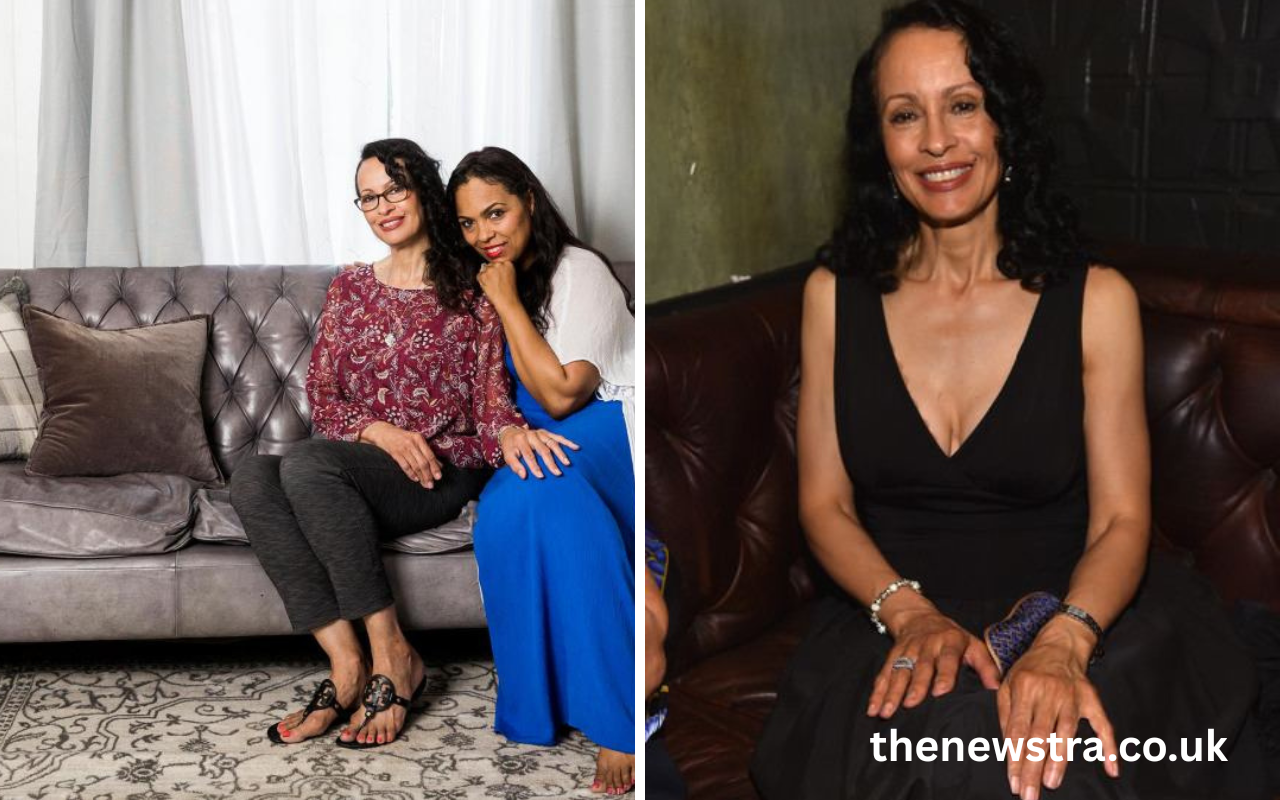
Early Life and Cultural Roots of Veronica Porché Ali
Veronica Porché Ali was born in the United States on December 16, 1955, and grew up in a culturally rich environment shaped by Creole heritage. Her family background played an important role in building her identity, as she was raised by Ethel and Horace Porché, who emphasized discipline, education, and emotional strength. This early environment gave her a strong foundation that later helped her navigate public life and personal challenges.
During her childhood and teenage years, Veronica experienced life both in Louisiana and California, which exposed her to different cultural and social environments. This dual exposure helped her develop adaptability, communication skills, and emotional awareness from a young age. She was naturally observant and thoughtful, qualities that later influenced her interest in psychology and human behavior.
Her early life was not marked by fame or public attention but by steady personal growth and academic focus. She attended Belmont High School in Los Angeles, where she completed her basic education in 1973. This period of her life reflects the beginning of her journey toward independence and intellectual curiosity, which would later define her professional path.
Education and Development of Psychological Interest
Veronica Porché Ali pursued higher education at the University of Southern California, a decision that marked a significant step in shaping her future career. While studying, she became deeply interested in human emotions, behavior, and interpersonal relationships. This interest gradually developed into a passion for psychology, which became the foundation of her professional identity.
Her academic environment allowed her to explore both theoretical and practical aspects of psychology. She studied communication patterns, emotional responses, and behavioral psychology, which helped her understand complex human interactions. This knowledge later became essential in her counseling and therapeutic work.
During her college years, Veronica also developed confidence and self-awareness. She learned how to balance academic responsibilities with personal development, which helped her build emotional intelligence. This stage of her life represents a transition from a student to a professional thinker with a clear direction in life.
Early Career, Modeling Experience, and Entry into Entertainment
Before becoming known globally, Veronica Porché Ali explored opportunities in modeling and entertainment. Her natural elegance and presence allowed her to work briefly in fashion and media circles during the 1970s. Although she was not focused on long-term fame in this industry, it helped her build confidence and public communication skills.
She also trained at the Beverly Hills Playhouse, where she studied acting and performance techniques. This training helped her overcome stage fear and develop emotional expression in front of cameras. While she did not pursue a long acting career, she gained valuable experience that later supported her public appearances and documentary features.
Her entertainment journey remained secondary to her personal goals. She appeared in limited acting roles, including minor film appearances such as in Terror on Alcatraz. These experiences contributed to her understanding of media, but her true focus remained on psychology and family life.
Meeting Muhammad Ali and Beginning of a Public Life
Veronica Porché Ali met Muhammad Ali in 1974 in Kinshasa, Zaire, during preparations for the famous boxing match known as the “Rumble in the Jungle.” At that time, she was part of a promotional group, and her encounter with Ali marked a turning point in her life. Their meeting was unexpected but quickly became significant.
Their connection developed rapidly, and despite the age difference and global attention surrounding Ali, their relationship deepened. Veronica was still very young when she entered this high-profile environment, which exposed her to international media and intense public scrutiny. This experience dramatically changed the course of her life.
Their relationship eventually led to marriage in 1977, making Veronica Porché Ali Muhammad Ali’s third wife. This marriage placed her in the global spotlight, where she had to navigate fame, public expectations, and personal identity simultaneously. It was a defining phase that shaped her resilience and emotional strength.
Marriage Life with Muhammad Ali and Family Challenges
Veronica Porché Ali’s marriage to Muhammad Ali lasted from 1977 to 1986, a period filled with both love and challenges. Being married to one of the most famous athletes in the world meant constant public attention, travel, and emotional pressure. Despite this, she played an important role in Ali’s personal life during critical years of his career and health struggles.
The couple had two daughters together, Laila Ali and Hana Ali. Their family life was often affected by Ali’s demanding career and global commitments. Veronica worked to maintain stability in the household while balancing her own personal development and emotional well-being.
Although their marriage eventually ended in divorce, it remains an important part of both of their life stories. The relationship is often remembered for its emotional depth and complexity, showing both the pressures of fame and the realities of personal relationships under public scrutiny.
Motherhood and Influence on Laila Ali and Hana Ali
Motherhood became one of the most defining roles in Veronica Porché Ali’s life. She raised two daughters, both of whom achieved recognition in their own fields. Laila Ali became an undefeated professional boxer, while Hana Ali became a writer and storyteller preserving their father’s legacy.
Veronica focused on providing emotional stability, education, and discipline for her children. She emphasized values such as independence, strength, and self-respect. Her parenting style reflected her psychological understanding of human behavior and emotional development.
Even after divorce, she remained closely involved in her daughters’ lives. Her influence is visible in their confidence, communication style, and public presence. Veronica’s role as a mother is often considered one of her most impactful life contributions.
Later Marriage and Personal Transformation After Ali
After her divorce from Muhammad Ali, Veronica Porché Ali entered a new phase of life focused on personal healing and transformation. In 1992, she married musician and actor Carl Anderson, known for his work in Jesus Christ Superstar. This relationship introduced her to another creative environment.
Her marriage to Carl Anderson lasted until his passing in 2004. During this time, she continued to develop her psychological practice and maintained a quieter lifestyle away from intense media attention. This period allowed her to focus more on personal growth and emotional balance.
Veronica’s post-Ali life reflects resilience and reinvention. She moved beyond public identity associated with fame and built a life centered on meaning, relationships, and professional contribution. This transformation highlights her ability to adapt and rebuild after major life transitions.
Career as a Psychologist and Professional Work
Veronica Porché Ali is a trained clinical psychologist who built a career focused on emotional health and personal development. Her work has included counseling individuals and families dealing with emotional challenges, communication issues, and psychological stress.
Her approach to psychology emphasizes understanding emotional patterns and improving self-awareness. She believes in healing through communication and reflection, helping individuals develop healthier relationships with themselves and others. This philosophy reflects her academic training and life experiences.
Although not widely publicized, her work in psychology remains a central part of her identity. She contributed to mental health awareness in her community and provided guidance rooted in empathy, experience, and academic knowledge. Her professional journey shows depth beyond public recognition.
Public Image, Media Appearances, and Cultural Representation
Veronica Porché Ali has been portrayed in several documentaries and films related to Muhammad Ali’s life. One notable portrayal was in the movie Ali, where her character was represented in the broader narrative of Ali’s personal journey. These portrayals highlight her role during an important period in Ali’s life.
Despite media attention, Veronica has maintained a private and dignified public image. She rarely engages in interviews and prefers to keep her personal life out of the spotlight. This approach has helped her maintain privacy while still being part of historical discussions about Muhammad Ali.
Her representation in media reflects both admiration and complexity, as she is often viewed through the lens of Ali’s legacy. However, her own identity as a psychologist, mother, and independent woman continues to stand on its own.
READ MORE: Laura Dotson Biography, Career Journey, Storage Wars Fame, and Life Behind the Auction Spotlight
Legacy, Impact, and Lasting Influence of Veronica Porché Ali
Veronica Porché Ali’s legacy extends beyond her marriage to Muhammad Ali. She represents strength, adaptability, and emotional intelligence in navigating fame and personal transformation. Her life story reflects the balance between public exposure and private identity.
Her influence is strongly visible through her children, especially Laila Ali, who continues the Ali legacy in sports and public life. Veronica’s role in shaping her daughters’ values and confidence remains a significant part of her impact.
Today, she is remembered as a multifaceted woman who lived through extraordinary circumstances while building her own professional and personal identity. Her journey continues to inspire discussions about resilience, motherhood, psychology, and life beyond fame.